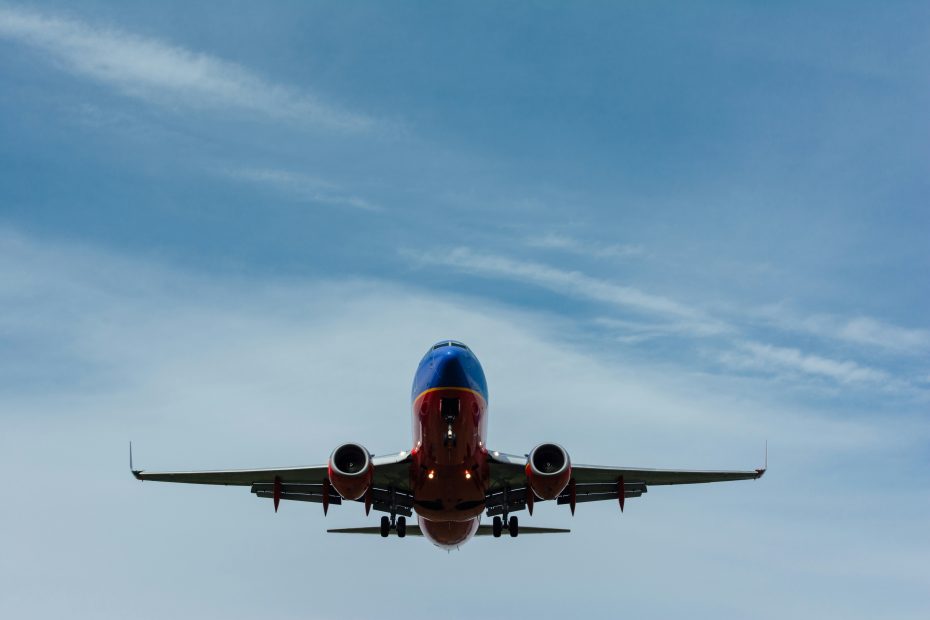
How is turbulence caused?
Wind is the short answer. Without wind in the atmosphere, there would be no turbulence – since turbulent air flow is defined as:
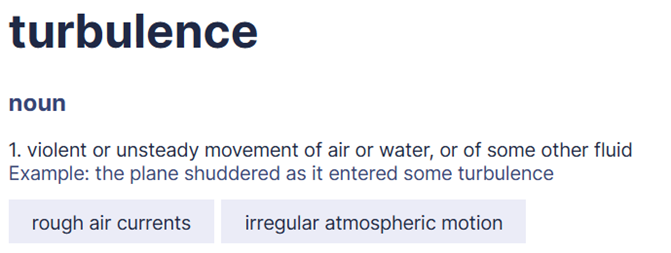
Where wind is defined as the movement of air – turbulence being the unsteady movement of a fluid supports the simple explanation.
However we want to delve deeper – don’t we?
Thus, I consulted the book titled “Introduction to Boundary layer meteorology” – to do some further digging:
In topic 1.2. – Wind and flow, Stull refers to three broad categories or air flow, namely mean wind, turbulence and waves. Proceeding to mention that each air flow / wind type can exist separately and/or in the presence of others.
All of which can exist in the boundary layer of the atmosphere, where the transport of atmospheric quantities such as “moisture, heat, momentum and pollutants is dominated in the horizontal by the mean wind, and in the vertical by turbulence”.
(Stull, 1988)
How can turbulence be visualised?
Turbulence, the gustiness superimposed on the mean wind, can be visualised as consisting of irregular swirls of motion called eddies. Usually, turbulence consists of many different sized eddies superimposed on each other. The relative strengths of these different scale eddies define the turbulence spectrum.
Much of the boundary layer turbulence is generated by forcings from the ground. For example solar heating of the ground during sunny days causes thermals of warmer air to rise.
Thermals, in essence are just LARGE eddies.
Frictional drag on the air flowing over the ground causes wind shears to develop, which frequently become turbulent.
- Obstacles like trees and buildings deflect the flow of air parcels, causing turbulent wakes adjacent to and downwind of the obstacle. A specialised example of this is called the ‘shed effect – read further on for more of this).
- The largest boundary layer eddies scale to the depth of the boundary layer; that is 100 to 3000m in diameter. These are the most intense eddies because they by the forcings.
- “Cats paws” on lake surfaces and looping smoke plumes provide evidence of the larger eddies.
The reason why molecules and pollutants can be transported rapidly across the atmosphere at low altitudes is due to turbulence – which is strongest close to the tropopause (where CAT [Clear Air Turbulence]) is most likely to occur.
What are the impacts of turbulence on human activity and infrastructure?
In cities and airports…
First, buildings in cities such as skyscrapers will create turbulence. Particularly with tall buildings or large buildings, the ‘shed effect’ is observed. The shed effect determines how easy it is for pilots to land planes on airport runways. It is particularly accentuated during periods of strong winds (thunderstorms or extratropical/tropical cyclones).
Stratospheric turbulence
Higher up in the atmosphere, turbulence (especially clear air turbulence) causes discomfort, and in worst cases injuries to passengers during flights. It also impairs the efficiency of aircraft, increasing fuel consumption and causing longer flight times.
Weather patterns
Atmospheric Turbulence is also responsible for influencing weather patterns affecting the formation of storms, and the distribution of precipitation. The consequences can be hugely different over a short distance for agriculture, transport and daily life.
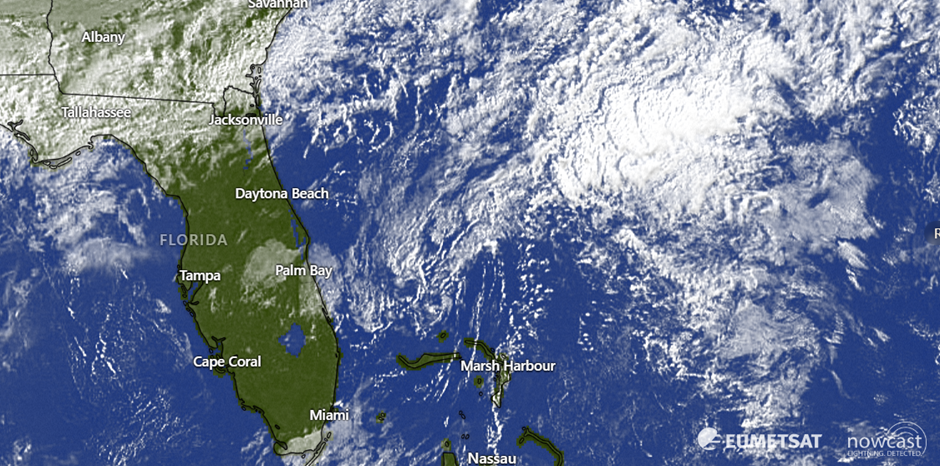
Weather patterns | over Florida & Bahamas as of 1337UTC 11.11.2024
Water flow
Turbulence in the rivers and oceans affects in the mixing of water, which is vital for the circulation and distribution of nutrients and oxygen. The turbulence in our rivers and oceans modifies coastlines and riverbeds through the erosion and deposition of sediment.
Other infrastructural impacts
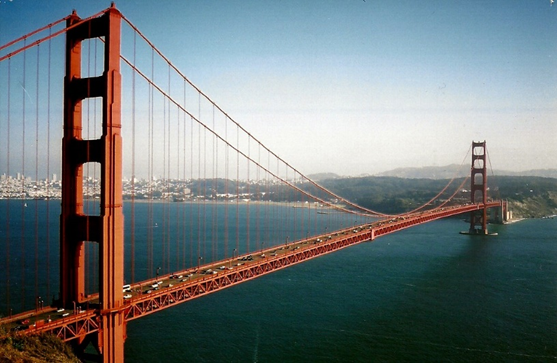
- Turbulent winds (rough air), sometimes induces vibrations in bridges, increasing the risk of structural fatigue and failure.
Pipelines: turbulence in pipelines increases the risk of erosion and corrosion, resulting in leaks and reduced efficiency.
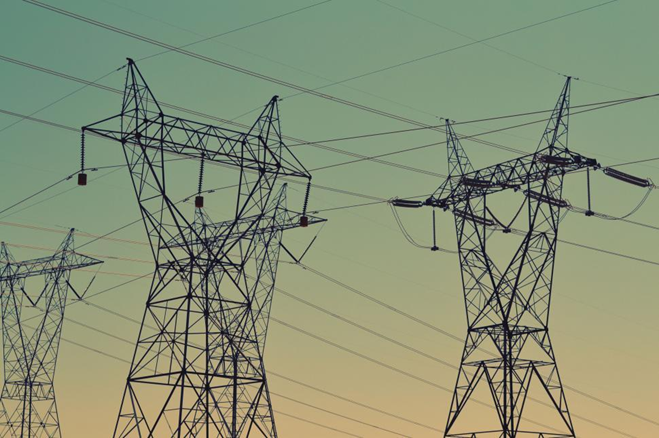
Power lines: Strong winds and turbulence can cause power lines to sway and break, causing power outages in rural areas.
How can we mitigate these effects on human activity and infrastructure?
- Aerospace Engineering: Aircraft designers incorporate aerodynamic principles to minimise the effects of turbulence on aircraft.
- Civil Engineering: Structures like buildings and bridges are designed to withstand wind loads and turbulent forces.
- Environmental Engineering: Strategies to reduce air pollution and improve air quality can help to mitigate the impact of turbulence on human health.
Why is atmospheric turbulence a cause of turbulence amongst the population?
It is a topic of controversy mainly because of its increasing frequency and intensity due to climate change. Reasons as to why it is contentious include:
- Safety concerns: With air travel, in particular CAT (clear air turbulence) causing injuries to passengers and crew, resulting in emergency landings. Recent incidents have raised concerns about the safety of flights.
- Climate Change: Research indicates that anthropogenic climate change is making the atmosphere more turbulent through altering temperature gradients and the natural position + strength of jet streams – in turn increasing the chances of flight paths running into turbulence.
- Scientific Uncertainty: While there is a growing body of evidence linking climate change with increased turbulence, there is still a lot to learn about the exact mechanisms and how to predict and mitigate it.
- Economic implications: This stems from higher operational costs for transport companies and agriculture. Higher operational costs for transport will mean that food prices rise, and expenses within the tourism industry increase.
- Public Awareness: As the general public are becoming more aware of the impacts on climate change on everyday life, with the dangers on turbulence and heatwaves being particular causes for concern – the pressure on governments and industries to address this issue is continually mounting.